Brake Dust and Worn Brakes: What Your Wheels Are Telling You
Some dark dust on your wheels is normal because brake pads wear slowly as they work. The warning signs are how much dust, where it is, and how the car feels.
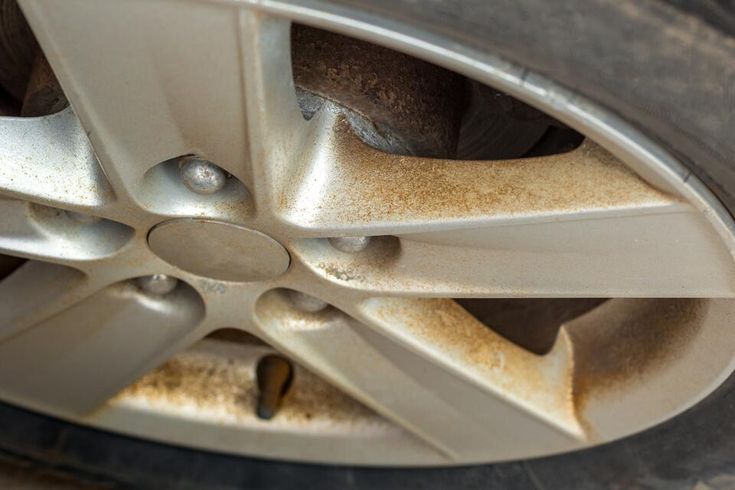
What the dust can tell you
- One wheel much dirtier than the others: a sticking brake caliper or a dragging brake on that wheel.
- Very heavy dust and fast wear: low-quality or very soft pads, or heavy braking on hills.
- Shiny metal-like dust or scratches: pads are worn out and metal is cutting the disc.
Signs of bad brakes
- Squealing noise when braking (wear indicator).
- Grinding sound: pads are finished and discs are being damaged.
- Car pulls to one side.
- Steering wheel or pedal vibrates (warped discs).
- Soft or sinking pedal (air or leak in the brake fluid system).
- Brake warning light on.
Quick check
Look through the wheel spokes at the pad. If it is thinner than about 3 mm, replace it soon. Check the disc for deep grooves or a rusty, lipped edge.
⚠️ Safety: Brake dust is harmful to breathe. Do not blow it off with your mouth or compressed air. Wash it off with water and a cloth. Never ignore grinding or a soft pedal; get the car checked immediately.
Care tips
Replace pads in time, change brake fluid every two years, avoid riding the brakes downhill, and have brakes checked at every service.